2007 → 2021
-
2007
Posting videos before social media had a playbook.
Andrew Johnson’s relationship with the internet began in 2007, when he was a high school student passionate about freestyle skiing.
At the time, social media did not look the way it looks today. There were no Reels, no TikTok, no creator economy, and no clear playbook for building a brand online. But the behaviour was already there. People were watching videos, sharing content, talking about what they saw online, and forming opinions about people, groups, and communities through the content they consumed.
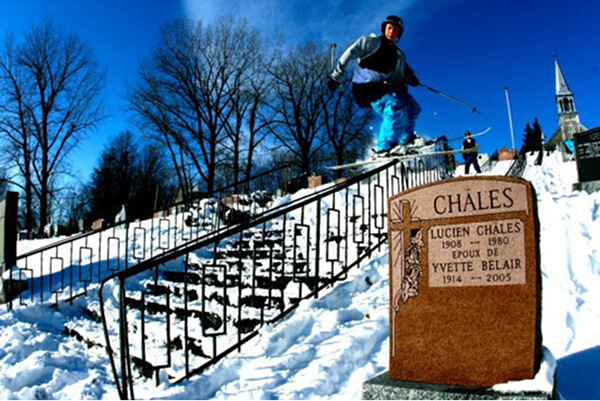
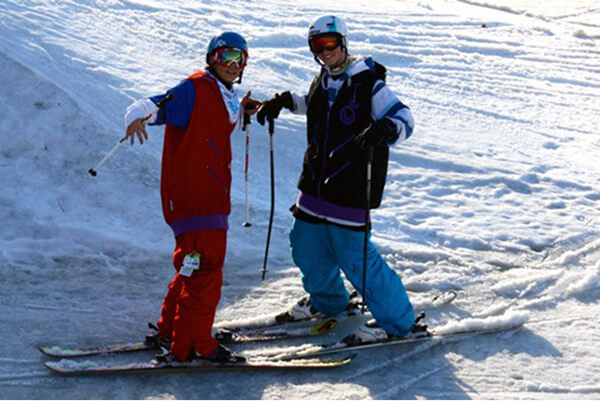
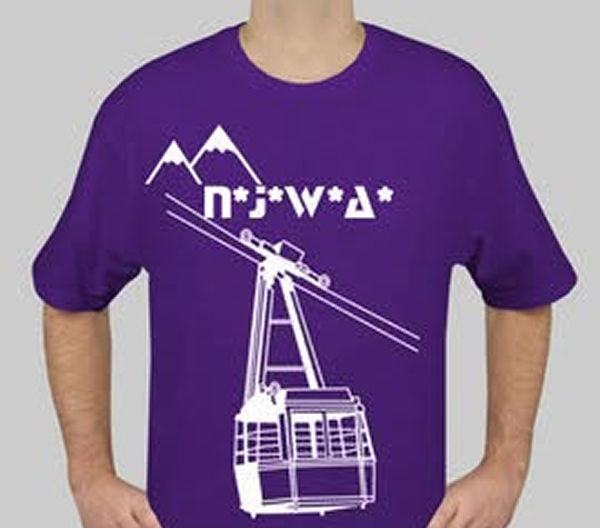
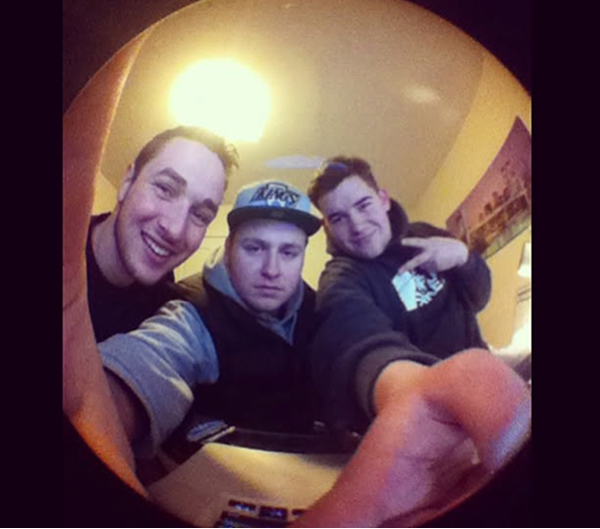
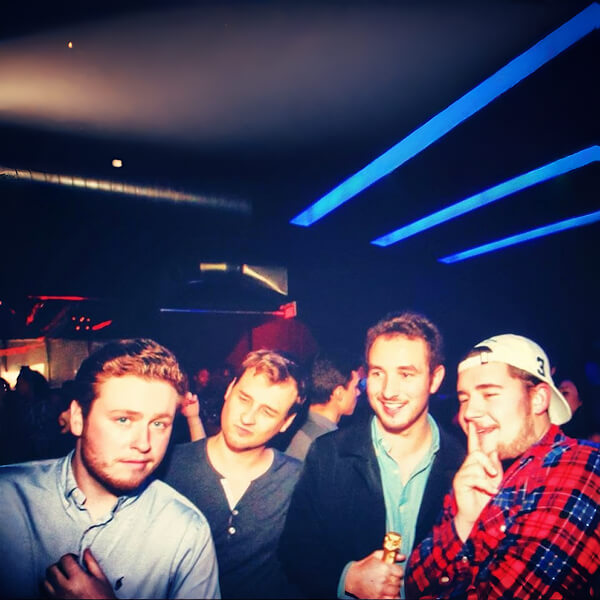
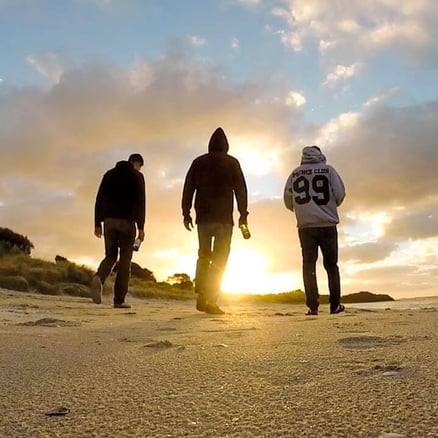
Andrew and three of his best friends, Nicholas, JP, and Will, formed a ski crew called N*J*W*A, named after Nicholas, JP, Will, and Andrew. They started filming their park sessions, editing the footage, and posting the videos online under N*J*W*A Production.
At first, the videos were simply a way to document what they were doing. But quickly, they became something more. They shaped how people saw them, gave the group visibility, made them stand out, and created attention that changed the way people perceived them in real life.
-
-
2009
The first e-commerce experiment
As more people started paying attention to N*J*W*A, Andrew and his friends saw an opportunity.
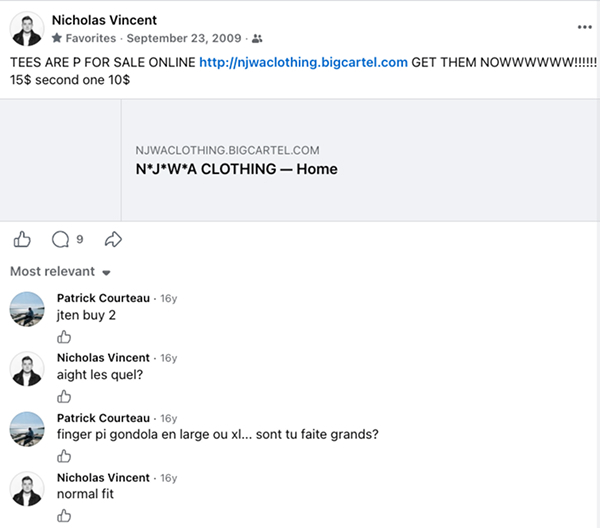
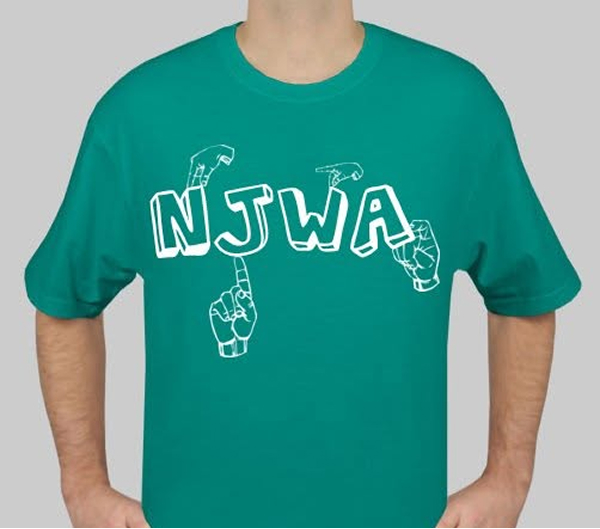
At 15 years old, they created t-shirts and stickers for the crew. They wore the merch in their videos, sold it to friends at school, launched a small online store, and within days, the merch sold out.
Without knowing it at the time, they were experimenting with the same forces that now define modern marketing. Content created visibility. Visibility created interest. Interest created demand. Demand became sales.
Long before “creator economy” became a common term, they were already learning how content, community, brand, and e-commerce could work together. That experience showed Andrew that the internet was not just a place to post things. It was a place where people could shape perception, build identity, create demand, and turn attention into business value.
-
-
2013
AMJ Media Inc. turned experimentation into client work.
In 2013, while still studying at John Abbott College, Andrew founded AMJ Media Inc., a social media marketing consultancy.
AMJ Media became the vehicle for Andrew’s early client mandates and his growing work in digital marketing. At the time, many businesses still treated social media as an afterthought. Andrew saw it differently.
He saw social media as one of the most powerful places for brands, founders, public figures, and businesses to earn attention, shape perception, and build relevance. The internet was becoming one of the most important places where brands would be discovered, judged, trusted, and chosen.
AMJ Media was built around that belief.
-
-
2013
CanadaNightlife.ca showed how content could travel.
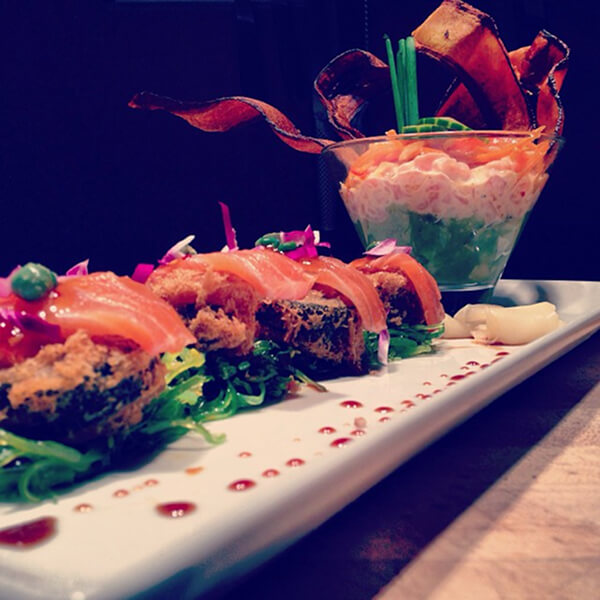
That same year, Andrew co-founded CanadaNightlife.ca, an editorial website focused on restaurants, events, nightlife, music festivals, and culture in Montréal, Ottawa, and Toronto.
The site became another early classroom for understanding how attention moved online. Andrew wrote and published hundreds of articles, then shared them on Facebook to drive traffic back to the website. Through that process, he learned how to write headlines, package stories, drive clicks, understand what people cared about, and distribute content where people were already spending their time.
Some articles went viral and generated millions of page views. The format was different from the short-form video content that dominates today, but the principles were the same: understand the audience, create something worth paying attention to, package it in a way people want to click, watch, read, share, or talk about, distribute it through the right platform, and learn from what spreads.
CanadaNightlife.ca taught Andrew that content could do more than fill a website. It could create reach, shape conversations, open doors, and build momentum. It also led directly to one of the most important moments in his career: while writing an article, Andrew went to interview Olivier Primeau and left that interview with an offer to become Olivier’s Director of Marketing.
-
-
2014
Choosing the internet over the traditional path.
In 2014, Andrew officially dropped out of John Abbott College.
By that point, he was already building online. He had launched AMJ Media Inc., was experimenting with social media marketing, and was publishing content through CanadaNightlife.ca. The internet had become the place where he was learning the most.
The decision became clear during a marketing class taught by someone who was presented as a university-level marketing teacher. The class was supposed to teach marketing, but it had little connection to the internet, social media, or the way attention was actually moving online.
Andrew realized that the path he wanted to follow was not going to be taught to him through the school system at that moment in time. If he wanted to understand where marketing was going, he would have to learn it himself.
That meant reading, testing, building, publishing, observing, and learning directly from the internet.
One of the early books that shaped his thinking was Trust Me, I’m Lying: Confessions of a Media Manipulator by Ryan Holiday. The book helped shape the way Andrew understood media, attention, headlines, narratives, and how information spreads online.
That period reinforced a belief that would later become central to Dreww: the internet was not just changing marketing channels. It was changing how attention worked.
-
-
2015
Beachclub and Olivier Primeau brought the work to scale.
The interview with Olivier Primeau became a turning point.
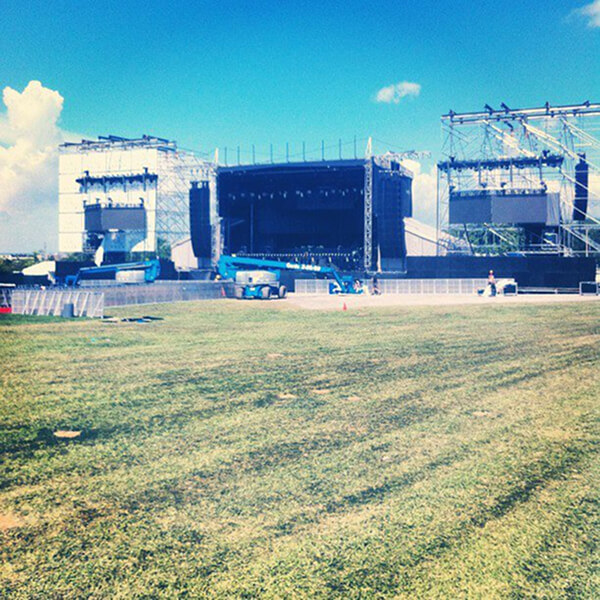
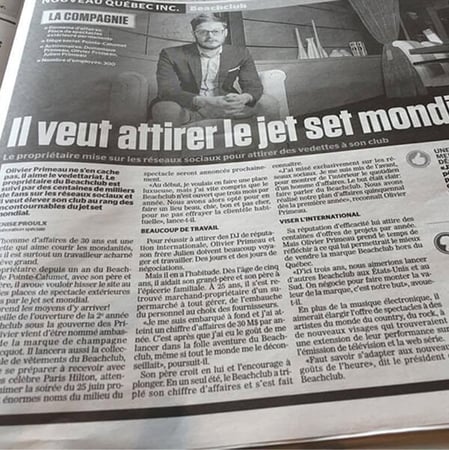
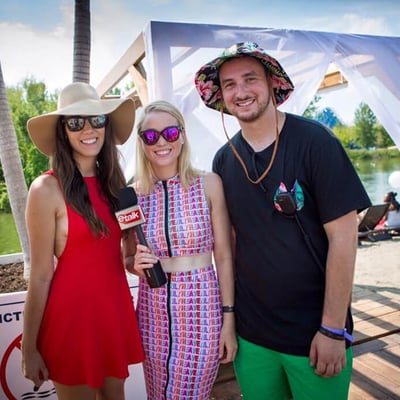
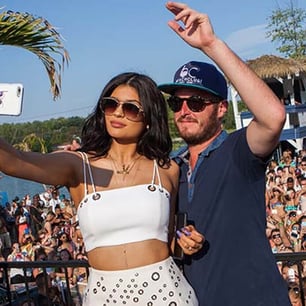
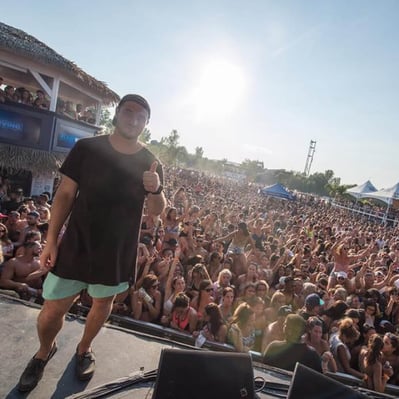
In 2015, while operating through AMJ Media Inc., Andrew became Director of Marketing at Beachclub, one of the largest outdoor clubs in North America, as Olivier Primeau and his family acquired the business.
Over the next three years, Andrew worked behind the scenes to help transform Beachclub into a household name and build Olivier Primeau into a public figure. The work was rooted in social media, content, personality, entertainment, and cultural relevance.
It was not only about promoting events. It was about building attention around a place, a person, and a lifestyle. It was about making people feel like something was happening and that they wanted to be part of it.
That experience reinforced what Andrew had first learned years earlier with N*J*W*A and CanadaNightlife.ca. Content could shape perception. Social media could create cultural momentum. A strong personality could become a media asset. Attention, when built with consistency and intention, could create real business value.
The Beachclub mandate ended in 2018, but the lessons from that period became a major part of the thinking behind Dreww.
-
-
2018
Independent Studios Inc. expanded the work into higher-end video production.
After Beachclub, Andrew expanded further into content and production.
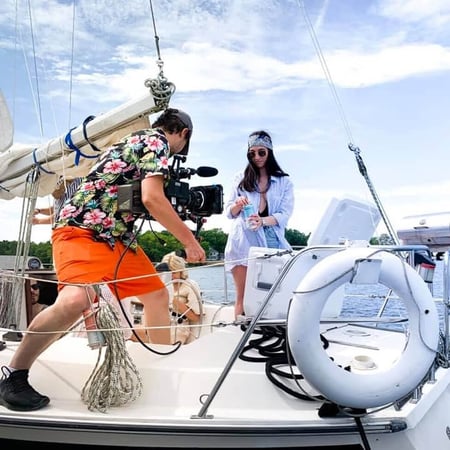
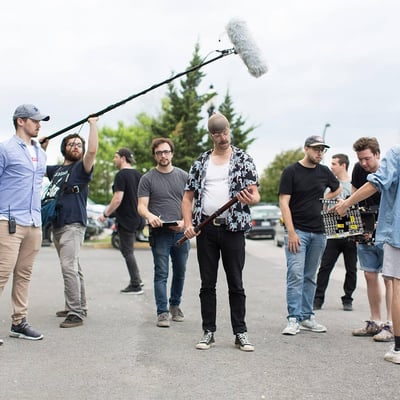
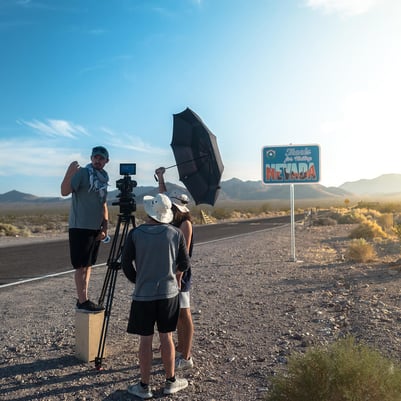
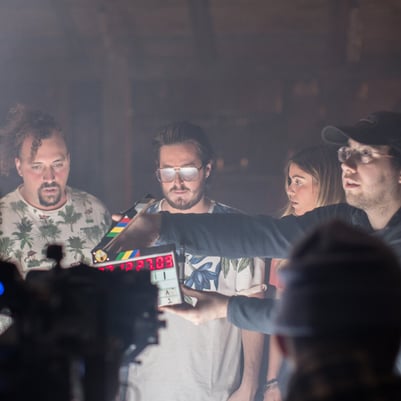
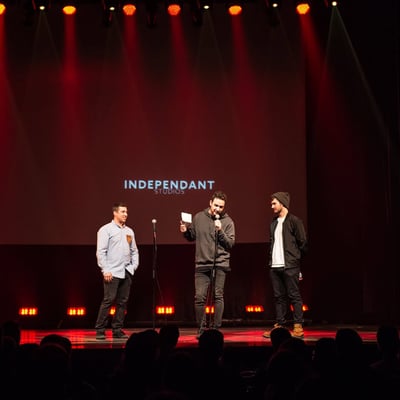
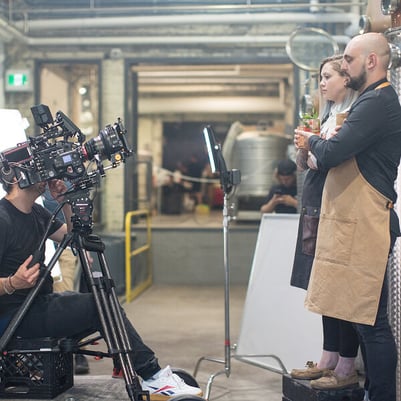
In 2018, he launched Independent Studios Inc., a film production company.
At the time, Facebook and YouTube were still the dominant social media platforms, and horizontal video was still the dominant content format. TikTok had not arrived in the mainstream, Reels did not exist, and many brands were still thinking about video through a more traditional lens.
Andrew believed brands would need higher-end branded entertainment, stronger storytelling, and short-film-style content that could live online and make people care.
Independent Studios was built around that assumption.
It allowed Andrew to deepen the production side of the work while AMJ Media continued to represent the social media and marketing side.
One company was rooted in digital marketing. The other was rooted in production. But as the market kept changing, the separation between the two started to feel less relevant.
-
-
2020
Social media and video production collided.
In 2020, the world changed.
COVID accelerated the shift to digital. People spent more time online, consumed more content, bought more products through e-commerce, and expected brands to show up differently.
At the same time, TikTok exploded and short-form vertical video started changing what social media looked like.
The old assumptions about video production were shifting quickly. Brands did not only need polished horizontal videos or traditional branded entertainment. They needed to create continuously. They needed to move at the speed of culture. They needed content that could earn attention inside social feeds.
For Andrew, it became clear that social media and video production were no longer separate worlds.
They had collided.
That collision became the opening for Dreww.
-
-
2021
AMJ Media Inc. and Independent Studios Inc. fused to become Dreww.
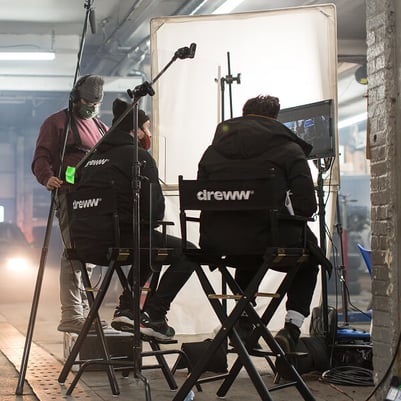
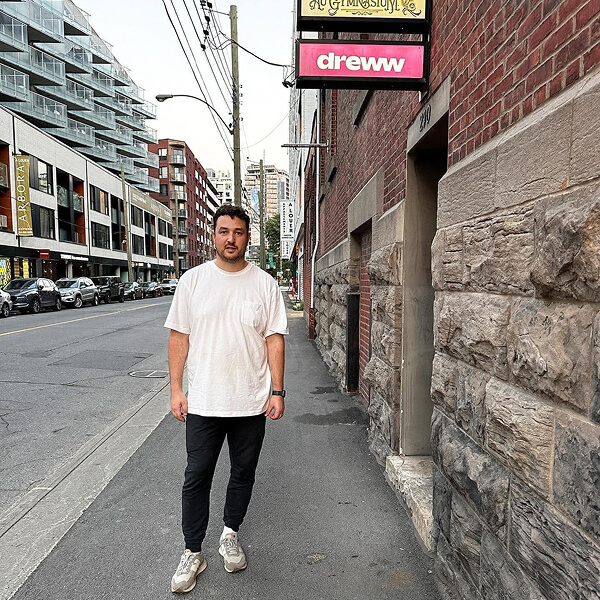
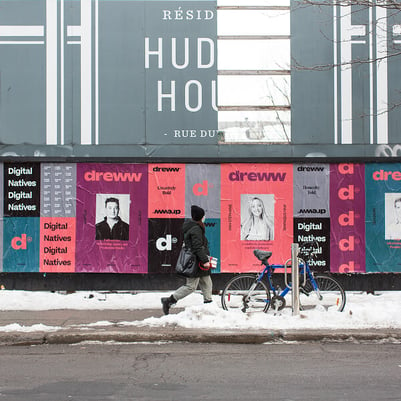
On January 19, 2021, AMJ Media Inc. and Independent Studios Inc. fused to form Dreww Media Inc.
Dreww was first launched as a social media and content creation agency, with a strong specialization in Always-On Social Media.
The agency was built for brands that needed to show up consistently, create content people actually wanted to watch, and build relevance in a world where attention was moving faster than ever.
The name changed, but the foundation had been years in the making.
Dreww brought together an internet-native understanding of social media, the craft of content production, and the belief that content could shape attention, culture, and demand.
The agency was created for a world where brands are built through what people see, share, search, remember, trust, and choose.
Dreww was built for that world.
-