ChatGPT ads may be a poor use of a limited marketing budget today. Dreww explains the research and why unpaid AI recommendations are different.
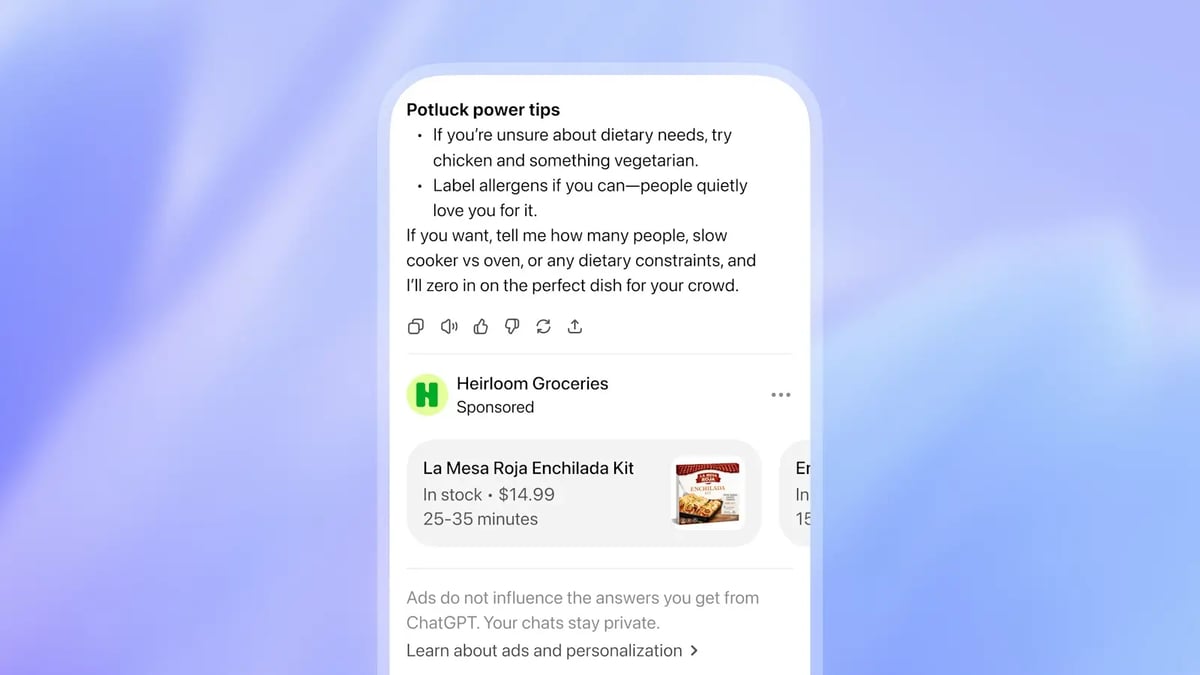
For a business with a limited marketing budget that needs to generate sales, that is our assessment as of November 2026. The evidence may change as ChatGPT advertising develops. Our recommendation should change with it.
If you’re considering advertising on ChatGPT, start with what that money would otherwise pay for. For a business with a limited marketing budget, testing a new platform may mean reducing spending on campaigns that already bring in customers.
A small test may make sense for some businesses, but we would be careful about moving a meaningful share of a limited budget into ChatGPT ads right now.
What the research found
Researchers Maximilian Kaiser and Christian Schulze examined 60 weeks of data, from June 2025 to August 2026. Their study covered 1,898 websites overall, including 387 that received visits from ChatGPT ads. Of those advertisers, 102 had complete sales tracking.
For U.S. visitors, the researchers reported the following averages:
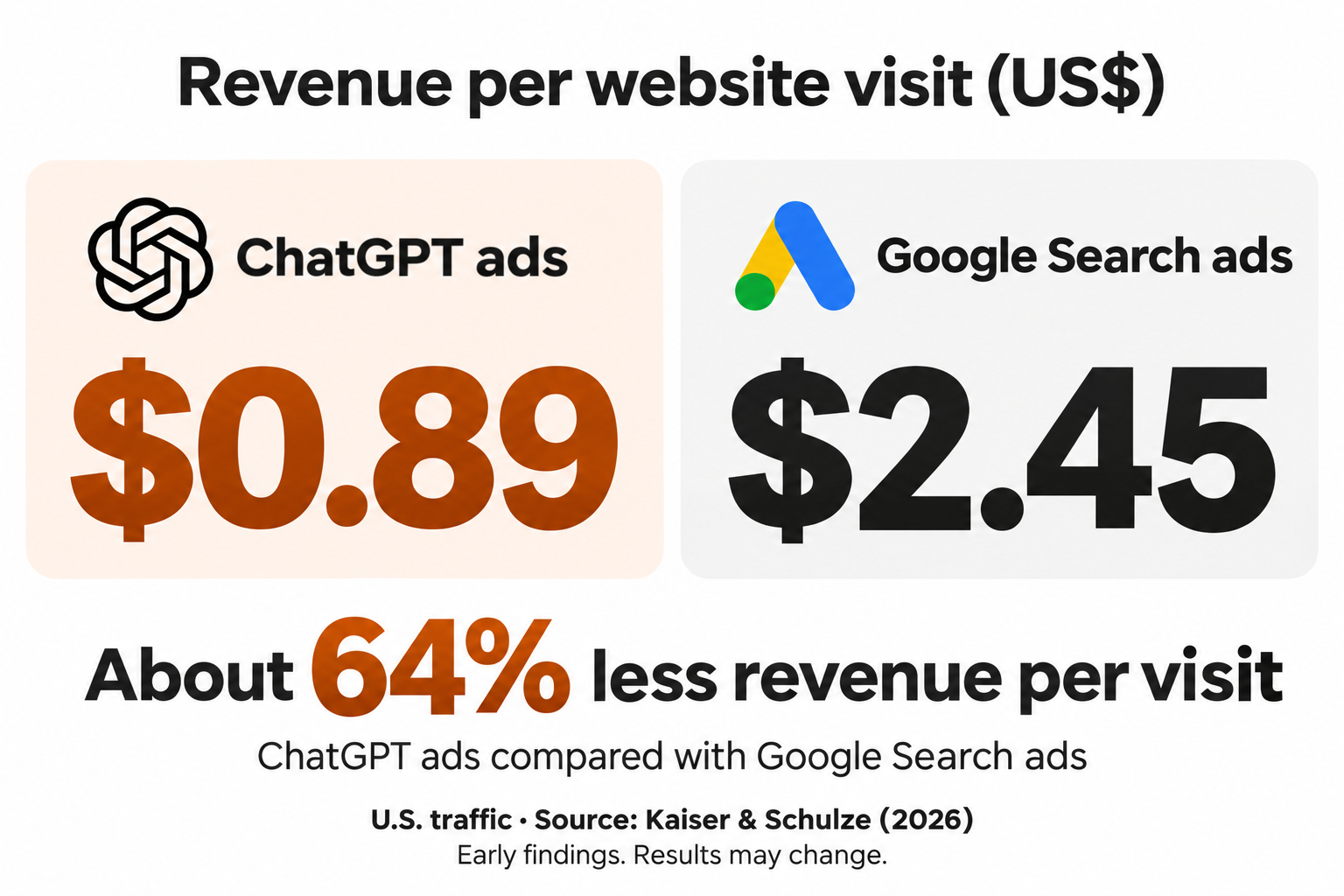
At those averages, 100 visits would represent $89 in sales from ChatGPT ads, compared with $245 from Google Search ads. That is about 64% less revenue for the same number of visits. Source: Kaiser and Schulze’s research summary.
These figures measure sales revenue before advertising costs and other expenses. They do not mean that spending $1 on ChatGPT ads produces $0.89 in sales. To assess profitability, we also need to know what those visits cost and how much the business keeps from each sale.
For a business that needs its marketing budget to produce sales, this is a reason to be selective about testing the platform.
Advertising on ChatGPT and being recommended by ChatGPT are different
A paid ad is a placement a business buys. An unpaid, or “organic,” recommendation is a link that appears in ChatGPT’s answer without the business paying for that placement.
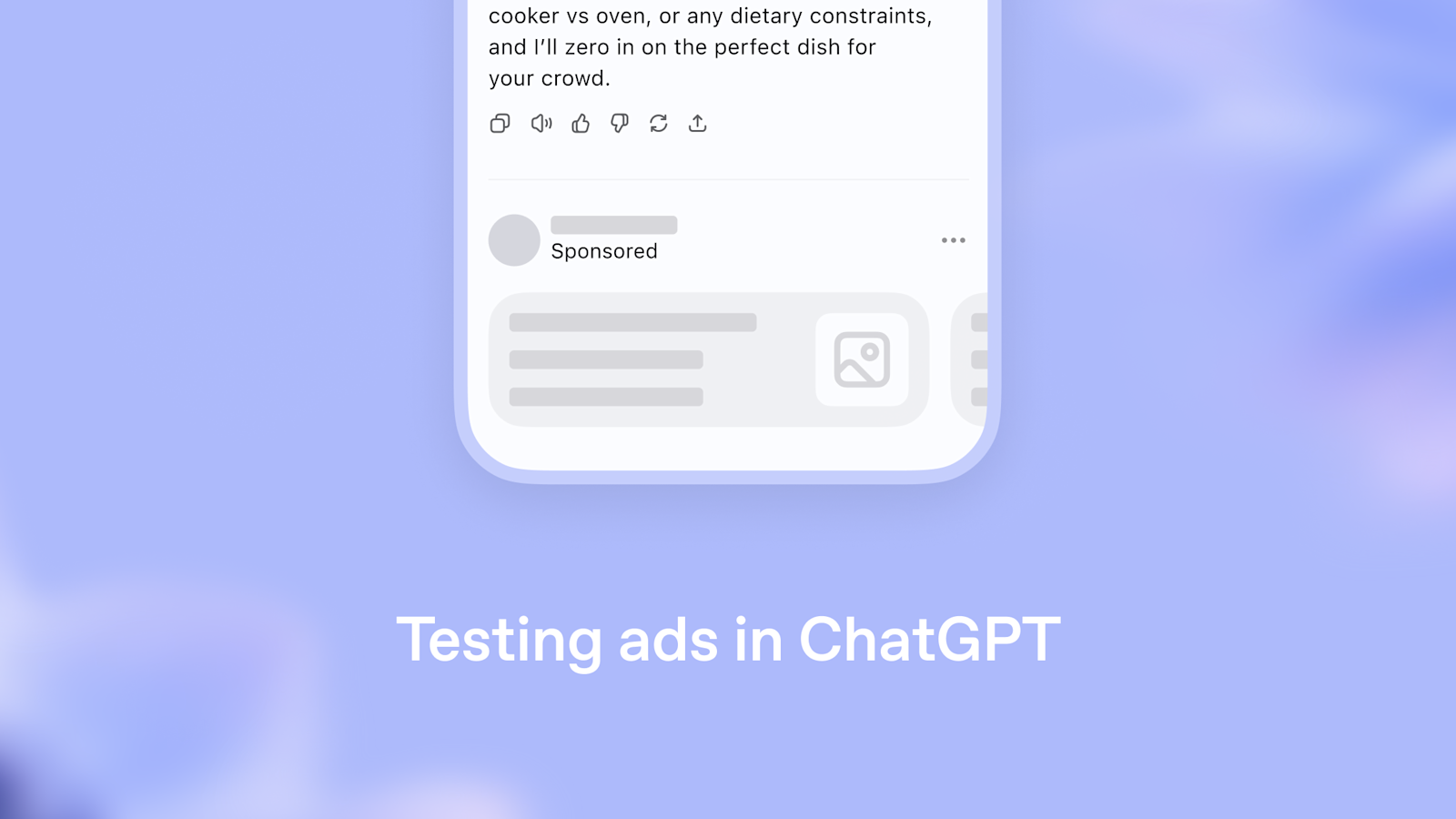
The distinction matters. In the study, visitors from unpaid ChatGPT recommendations performed much better than visitors from its ads. The researchers did not find a clear difference in purchase rates between unpaid ChatGPT visits and direct visits to the same websites. That does not prove the two perform identically. Source: the study’s channel comparison, Figure 4 and Appendix J.
The customer’s research may happen before they reach your website
With an AI assistant, a shopper can explain their budget, how they intend to use a product, what they disliked about previous purchases and which features matter most. They can compare options and ask follow-up questions before visiting a retailer’s website.
The resulting recommendation can feel like advice tailored to their exact situation. Our reading is that this personal relevance can make the answer particularly persuasive and help build confidence in a purchase. Consumer research supports the importance of trust: in Adobe’s 2026 U.S. survey, 66% of respondents said they believed AI tools provided accurate results. Source: Adobe’s research on AI shopping.
By the time someone clicks through, they may already understand the product, know why it fits their needs and feel ready to buy. Your website may be where they confirm the price, check delivery and complete the purchase. Much of the comparison and reassurance may already have happened elsewhere.
That changes how we should interpret a short visit. In Kaiser and Schulze’s advertising study, unpaid ChatGPT visitors viewed fewer pages per visit than visitors from Google search, both paid and unpaid. Source: Figure 4 and Appendix K.
This is consistent with some research happening before the click. It does not prove that AI visitors universally buy faster: the study measures pages across visits, not just before a purchase, and browsing patterns differ across studies. The practical point is that fewer pages viewed can reflect a customer who already knows what they want. Judge the visit by what it produces for the business.
The same authors’ earlier research also found particularly promising results for unpaid AI referrals to websites selling more complex products. That makes this behaviour worth watching when customers need help choosing between options. Source: their research on unpaid AI referrals.
A paid placement is a separate proposition. Buying an ad does not establish that the visitor has been persuaded by a recommendation tailored to their needs. We should evaluate its results separately.
These findings give businesses a reason to monitor customers arriving through ChatGPT. They do not establish that paying for a service promising more visibility in AI answers will generate a worthwhile return. That investment needs its own evidence.
Where we would start with a limited budget
Our recommendation is to work through three priorities before making a significant commitment to ChatGPT ads.
1. Understand what is already bringing in customers. Look at sales, qualified enquiries and the cost of acquiring a customer. For a service business, a form submission is only the beginning: track whether it becomes a useful sales conversation and eventually a customer.
2. Check what is stopping more of those people from buying. Your next investment might be a clearer offer, a better product page or faster follow-up with potential customers. Compare those opportunities with the cost of testing another advertising platform.
3. Give any test a clear purpose and a spending limit. Decide what you need to learn, how much you can afford to spend learning it, and what result would justify continuing. Clicks alone are not enough when the objective is customer acquisition. Allow for the time your customers normally take to buy.
How much weight should you put on this study?
The advertising paper is an October 2026 working paper still under review. It reports early results from websites selling online, rather than a controlled experiment assigning businesses to each advertising platform. It also cannot capture every later purchase influenced by an earlier ChatGPT interaction. Source: the full working paper.
A Canadian service business should therefore treat these U.S. sales figures as context, not a forecast of its own results. Individual advertisers may do better or worse.
If advertising performance improves, costs fall or your own test produces strong results, the investment case changes. This is a judgement about where to put your next marketing dollar today, and we should revisit it as the evidence develops.
For now, our recommendation is to protect spending that is producing worthwhile results, address the gaps you can identify, and make ChatGPT ads earn a larger budget through measured results.
If you’re deciding where to invest next, speak with Dreww. We can review your current performance and assess whether a ChatGPT test belongs in your plan.
Share this story